By Ben Luthi
 Edited by Michelle TipswordBy Ben LuthiEdited by Michelle Tipsword


You can calculate your credit utilization ratio by dividing your credit card's balance by your credit limit and then multiplying by 100. The math takes only a few seconds, but knowing where to find the right numbers isn't always obvious.
Credit scoring companies don't pull these figures straight from your credit card accounts. Rather, they rely on the balances and limits reported on your credit report, so those are the numbers to use when you run the calculation yourself.
Credit utilization is the percentage of your available revolving credit that you're currently using. Scoring models and lenders look at this number to gauge how heavily you lean on your credit cards and other personal revolving accounts.
It matters because credit utilization is one of the biggest influences on your credit scores, second only to your payment history. A high ratio can suggest you're stretched thin, while a low ratio signals that you're handling your credit comfortably.
Note: While they are a type of revolving credit, home equity lines of credit are usually excluded from the credit utilization calculation for FICO® ScoresΘ but can affect your VantageScore® credit scores. They can also affect your credit in other ways.
Learn more: What Is the Best Credit Utilization Ratio?
To find your overall credit utilization rate, add up the balances on your revolving credit cards, divide that total by the sum of your credit limits and multiply by 100. The result is the share of your available credit that you're using. Here's how to calculate it:
The figures you use should come from your credit report rather than your current account balances. Start by pulling your Experian credit report and work from the numbers listed there. You can run the same math on a single card to find its individual utilization, and both the overall figure and individual card ratios can factor into your scores.
Example: Say you have two credit cards. One has a $1,500 balance and a $5,000 limit. The other has a $500 balance and a $5,000 limit. Add the balances ($2,000) and divide by your total limit ($10,000) to get 0.2. Then, multiply that by 100 to get a total utilization ratio of 20%.
As a general rule of thumb, people who have excellent credit scores tend to have utilization ratios below 10%, but there's no hard line where utilization goes from a bad to good percentage. Some people believe that keeping utilization under 30% is a good target, and the average credit card utilization ratio in the U.S. was 28.3% in March 2026, according to Experian data.
But utilization is only one of the factors within the "amounts owed" FICO credit scoring category, so it's also important to keep an eye on your overall debt burden.
Important: A very low utilization ratio may be better for your credit scores than 0% utilization, since it shows that you're actively using and managing some credit.
Compare cards from our partners with intro bonuses, cash back or points offers, and annual fees as low as $0.
Offers from our partners
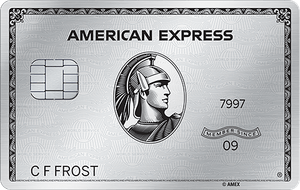
American Express Platinum Card®
Ongoing APR:See Pay Over Time APR
Annual Fee:$895
First Latitude Secured Mastercard® Cash Back Rewards
Ongoing APR:27.74% Variable
Annual Fee:$0
Citi® / AAdvantage® Globe™ Mastercard®
Ongoing APR:19.74% - 29.74% (Variable)
Annual Fee:$350
Credit One Bank® Wander® American Express® Metal Card
Ongoing APR:29.74% Variable
Annual Fee:$95
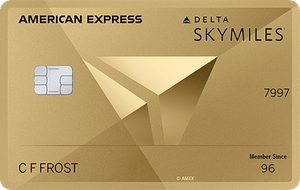
Delta SkyMiles® Gold American Express Card
Ongoing APR:19.74%-28.74% Variable
Annual Fee:$0 introductory annual fee for the first year, then $150.
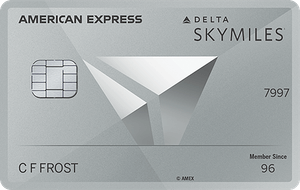
Delta SkyMiles® Platinum American Express Card
Ongoing APR:19.74%-28.74% Variable
Annual Fee:$350
Citi Simplicity® Card
Intro APR:0% intro APR for 18 months from account opening on purchases and qualifying balance transfers
Ongoing APR:17.74% - 28.49% (Variable)
Annual Fee:$0
Bank of America® Travel Rewards credit card
Intro APR:0% Intro APR for 15 billing cycles for purchases, and for any balance transfers made in the first 60 days
Ongoing APR:17.74% - 27.74% Variable
Annual Fee:$0
See all our best credit cards for 2026.
Both VantageScore and FICO credit scores consider your utilization when calculating your score. Here's what to keep in mind:
In general, the lower your utilization ratio, the better. But your utilization changes as credit card issuers send updates to the credit bureaus, and the effect on your scores will depend on the entirety of your credit profile. Since lenders often consider your credit scores as one factor when setting interest rates on new credit, such as personal loans, minimizing utilization may help you qualify for better terms.
Learn more: How Important Is Credit Card Utilization to Your Credit Score?
Because utilization comes down to two numbers—your reported balance and your credit limit—you can lower it by shrinking the balance or raising the limit.
It's important to know that card issuers often send updates to the credit bureaus around the end of your statement period, a few weeks before your bill is due. As a result, you could pay your credit card bill in full each month and still have a high utilization rate.
Here are a few approaches you can take to keep your credit card utilization low:
Once you know the formula, keeping tabs on your utilization gets easy. With free credit monitoring from Experian, you'll get your overall credit utilization ratio calculated for you. You can also review the ratio on each revolving account and watch how those figures shift over time. You'll also get your FICO® Score and insights into what's helping or hurting your credit.
Apply for credit cards confidently with personalized offers based on your credit profile. Get started with your FICO® Score for free.
See your offers
Ben Luthi
Ben Luthi has worked in financial planning, banking and auto finance, and writes about all aspects of money. His work has appeared in Time, Success, USA Today, Credit Karma, NerdWallet, Wirecutter and more.
Read more from Ben