
 Edited by Samuel Mountjoy
How to Improve Your Credit Score From Fair to Good
Edited by Samuel Mountjoy
Quick Answer
You can improve your credit score from fair to good by checking your credit reports for errors, paying bills on time, lowering credit utilization, maintaining a healthy credit mix and limiting new credit applications.

You can improve your credit score from fair to good by making on-time payments, reducing credit card balances and maintaining a mix of credit accounts. You might see changes to your credit score in as little as 30 to 45 days, although significant improvement can take a few months or longer.
FICO® ScoresΘ range from 300 to 850, with 850 being the best. A fair FICO® Score is one that falls within the range from 580 to 669. Scores in this range could make it more difficult to get approved for credit cards and loans. If you are approved, you'll likely pay higher interest rates. Improving your FICO® Score to the good range (670 to 739) can mark you as a more trustworthy borrower and may help you qualify for lower interest rates on credit products.
The good news is that the factors that matter most to all credit scores are within your power to change. Here are five things you can do now to improve your scores from fair to good and beyond.
1. Pay All Your Bills on Time
Your payment history is the single biggest factor in your credit scores, accounting for 35% of your FICO® Score. Even one missed payment can have a significant negative impact on your credit scores. Paying your bills on time is one of the easiest ways to improve your credit scores, potentially taking you from fair to good credit.
Setting up automatic payments is an easy way to ensure you don't miss a payment. You can typically arrange autopayment of the minimum payment due, the statement balance or the full balance. Be sure you always make at least the minimum payment, as a partial payment can hurt your credit scores.
Tip: Creditors typically don't report late payments to credit bureaus until the payment is at least 30 days late. Missing your due date by a day (or even a week) may trigger a late fee from the creditor, but shouldn't affect your credit scores.
Learn more: How to Improve Your Payment History
Instantly raise your credit scoresø
Add any bank accounts you use to pay your bills. Your information remains private.
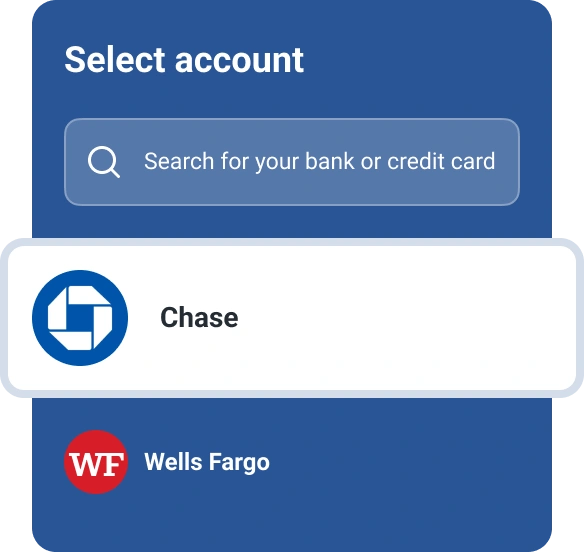
We’ll detect bills with on-time payments, and you can add them to your Experian credit file.
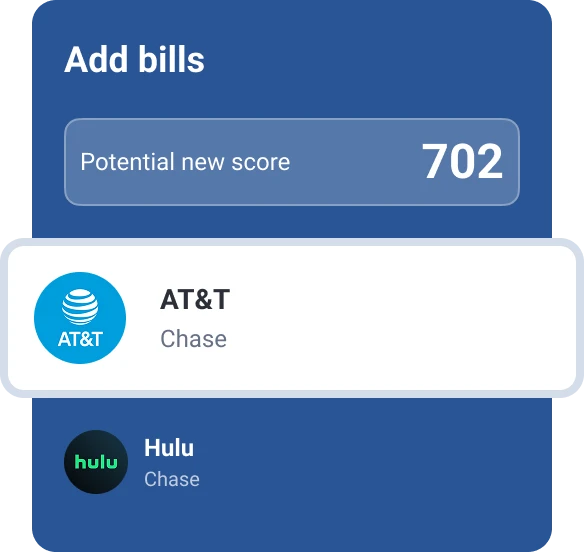
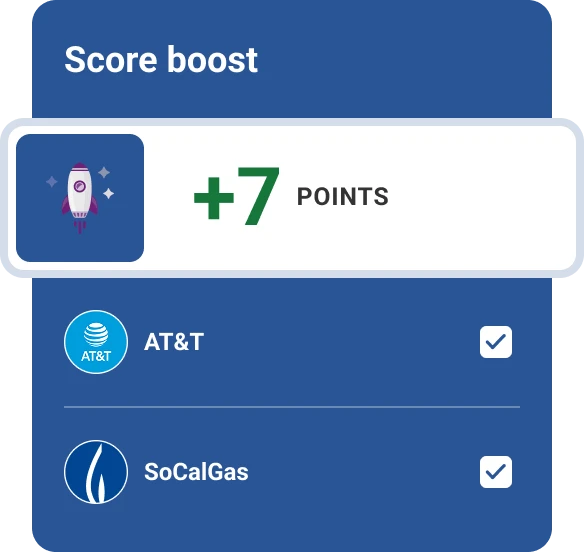
You’ll find out right away if your credit scores increased and by how many points.
2. Reduce Credit Utilization
Your credit utilization ratio is the percentage of available credit you're using on your credit cards and other revolving credit accounts. Because credit utilization is a major factor in your credit scores, reducing your credit card balances could quickly improve your scores.
Credit scores consider both your total and per-card credit utilization. To calculate your utilization rate, divide your total credit card balances by your total available credit limits, then multiply by 100 to get a percentage. Do the same for individual credit cards. An ideal utilization rate for improving your credit score is under 10%.
Here are some tips to maintain low credit utilization:
- Make payments throughout the month. Having a high credit card balance when the card company reports your account to credit bureaus could spike your credit utilization, even if you plan to pay the balance in full. Making multiple payments during the month can keep utilization down.
- Pay your balance before the statement closing date. Credit card balances are typically reported to credit bureaus soon after your billing cycle ends. Paying before then can improve the odds of low utilization being reported.
- Request a credit limit increase. Increasing your credit limit instantly lowers your credit utilization, which can benefit your credit score.
- Keep old credit cards open. Even if you aren't using a card anymore, closing it reduces your available credit, which can increase your credit utilization and hurt your credit score. If the card has a fee, ask the card issuer if you can switch to a fee-free card without losing your account history.
- Put extra income toward your balances. You can reduce your credit utilization by putting windfalls toward credit card balances or increasing your income with a side gig to pay cards down faster.
- Consider a consolidation loan. If you're juggling multiple credit card balances, a fixed-rate personal loan may be another option for paying the cards off. A single payment could be more manageable, but it's important to consider fees and interest rates before getting a loan.
Tip: You can stay on top of your credit utilization by using your credit card issuer's website or mobile app to set up alerts when your card balance exceeds a target percentage of your credit limit.
Learn more: Ways to Keep Your Credit Utilization Low
3. Check Your Credit Reports
Your credit report is a record of how you've repaid and managed debt. While it doesn't happen often, it's possible for credit reports to contain inaccurate information that could hurt your credit score. If you spot any information you believe to be in error, such as one of your creditors reporting a late payment in error, you have the right to dispute the items on your credit report with the appropriate bureau.
You can get copies of your credit reports from the three consumer credit bureaus (Experian, TransUnion and Equifax) for free at AnnualCreditReport.com. Read them carefully. If you find something you believe is in error on your credit report, having it corrected may improve your credit score.
As you review your credit reports, look for the following types of entries. If you find any that you believe should not be there, you can dispute them with the appropriate credit bureau.
- On-time payments reported as late or missed: A late payment reported in error can have the same negative effect on your score as a legitimate late payment. When you file a dispute, the credit bureau will verify the payment with the lender that reported it.
- Misreported collections: A collection account may indicate an unpaid bill in your name, which can hurt your credit score. Collections you don't recognize can also signal fraudulent transactions or a mistake on the collection agency's part.
- Negative entries that should have expired: Negative entries on your credit report are removed from your credit report seven years after the first missed payment leading to the entry. (The exception is Chapter 7 bankruptcy, which remains on your credit report for 10 years after the filing date.)
- Suspicious activity: Unfamiliar accounts and inquiries related to credit applications you don't recognize can hurt your credit scores. They also can be signs of credit fraud. If you see something suspicious, confirm it's not your transaction and take action if necessary.
Tip: If you believe an account on your credit report is fraudulent or a result of identity theft, it's wise to file a report with the appropriate authorities.
Learn more: What Affects Your Credit Scores?
4. Maintain a Variety of Credit Accounts
Your credit mix refers to your ability to manage different kinds of credit at the same time. Your credit scores can benefit if you have a mix of installment accounts with fixed monthly payments, like auto loans, and revolving credit accounts that you can repeatedly borrow against and repay over time, like credit cards.
Credit mix is a smaller factor in your credit score, accounting for 10% of your FICO® Score. If you already have credit cards and at least one installment loan, you may have a solid credit mix. If you don't, avoid opening new accounts just to improve your credit mix.
Instead, focus on keeping your existing accounts in good standing, with timely payments and low revolving credit balances. You'll likely find your credit mix improves naturally over time as your financial needs change.
You may also be able to enhance your credit file without applying for new accounts by signing up for Experian Boost®ø. A free feature of your Experian account, Experian Boost adds your on-time payments for eligible utility, phone, streaming, insurance and rent accounts to your Experian credit file, which could help improve your credit scores.
Learn more: Which Accounts Appear on Your Credit Report?
5. Limit New Credit Applications
New credit is a credit scoring factor that's responsible for about 10% of your FICO® Score. Be cautious when applying for new credit, because your credit scores can decline if you take on too much new debt too fast.
Applying for new loans or credit cards results in a hard inquiry on your credit report, which typically causes a small, temporary dip in your credit score. Scores usually recover within six months as long as you keep up with your bills, but multiple applications in a short time can have a cumulative negative effect on your credit scores. (Rate shopping for mortgages or loans is an exception.)
Tip: If you need a new credit card, many card issuers offer prequalification, which provides an estimate of the terms you may qualify for without impacting your credit score. Experian's credit card comparison platform is another option for finding cards that fit your credit profile.
Frequently Asked Questions
The Bottom Line
You can't move your credit score from fair to good credit overnight, but paying down debt, making timely payments and other positive credit habits could result in improvements over time. It's a worthwhile effort: The difference between fair and good credit can mean savings of hundreds, thousands or tens of thousands of dollars over the life of a car loan or mortgage.
You can check your FICO® Score for free with Experian to get insights on improving it. As you work on increasing your score, free credit monitoring from Experian offers a convenient way to track your FICO® Score progress and get alerts of important changes to your credit report.
Instantly raise your FICO® Score for free
Use Experian Boost® to get credit for the bills you already pay like utilities, mobile phone, video streaming services and now rent.
No credit card required

About the author

Karen Axelton
Karen Axelton is Experian’s in-house senior personal finance writer. She has over 20 years of experience as a journalist and has written or ghostwritten content for a variety of financial services companies.
Read more from Karen