
 Edited by Michelle Tipsword
When Should I Apply for Another Credit Card?
Edited by Michelle Tipsword
Quick Answer
Consider applying for another credit card if your credit score has improved since you got your last card, you’re able to comfortably pay all your bills each month or you qualify for a promotional credit card offer.

Before applying for another credit card, consider your credit score, any offers or promotions you qualify for, your history of managing credit and how taking on new credit could affect your overall finances.
It could be worth it to apply for another credit card if your credit score has improved since you got your last card, if you qualify for an introductory 0% interest period or if you are confident you can manage the additional access to credit. With all that in mind, it's generally best to apply for new credit only when you need it. Here's how to know when it's time to apply, and when it could be better to wait.
When It Can Be a Good Idea to Get Another Credit Card
You might consider looking into applying for another credit card in the following circumstances:
Your Credit Score Has Improved
If you already have a credit card and your credit score has improved since you first got it, you might now be eligible for a new credit card with more benefits, like a rewards card. That can be the case if you have a student credit card from your college days, or a secured credit card you used to build credit.
You may want to apply for a card that offers a higher cash back rewards rate or the opportunity to collect points for travel, if that's more in line with your current lifestyle. These cards also generally require good or excellent credit, which you're more likely to have if you've been practicing good credit habits over time.
You'd Be Able to Take Advantage of Promotions
Some cards offer a 0% promotional annual percentage rate (APR) for a year or more. It can be a smart financial move to use this period to make interest-free purchases (or a balance transfer) and pay them off over time.
Other cards offer cash intro bonuses if you spend over a certain threshold in the first few months of card ownership. If you're planning a wedding or a home renovation, for instance, you're likely to hit a credit card's minimum spending requirement. Getting an intro bonus credit card with a high bonus could mean, in effect, a discount on your purchases.
You Have a History of Managing Credit Responsibly
It's important to honestly assess whether you'll be able to juggle a potential new credit card payment alongside other debt payments and financial obligations. Prioritize making payments on time and in full every month and keeping your balance low.
If you're aiming to capture a sign-up bonus, make a plan to pay off the balance you build up as soon as possible. Access to more credit shouldn't mean more spending beyond what you can afford to pay off.
Best rewards cards of 2026
Compare cards from our partners that earn points, cash back or miles on everyday spending.
Offers from our partners
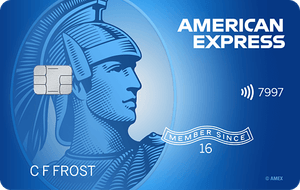
Blue Cash Everyday® Card from American Express
Intro bonus:
As High As $200 Cash Back. Find Out Your Offer.
You may be eligible for as high as $200 cash back after spending $2,000 in purchases on your new Card in the first 6 months. Welcome offers vary and you may not be eligible for an offer. Cash back is received as Reward Dollars, redeemable for statement credit or at Amazon.com checkout. Terms Apply.
Intro APR:0% on Purchases and Balance Transfers for 15 months
Ongoing APR:19.74%-28.74% Variable
Rewards:
1% - 3% (cash back)
Earn 3% cash back at U.S. supermarkets, 3% cash back on U.S. online retail purchases, 3% cash back at U.S. gas stations, on eligible purchases for each category on up to $6,000 per year in purchases (then 1%). Cash back is received in the form of Reward Dollars that can be redeemed as a statement credit and at Amazon.com checkout.
Annual Fee:$0
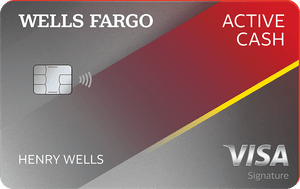
Wells Fargo Active Cash® Card
Intro bonus:
$100
Earn a $100 cash rewards bonus after spending $500 in purchases in the first 3 months.
Intro APR:0% intro APR for 12 months from account opening on purchases and qualifying balance transfers
Ongoing APR:18.74%, 24.74%, or 28.74% Variable APR
Rewards:
2% (Cash Rewards)
Earn unlimited 2% cash rewards on purchases.
Annual Fee:$0
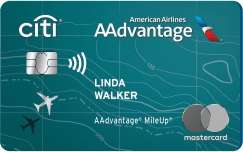
American Airlines AAdvantage® MileUp® Card
Intro APR:0% for 15 months on Balance Transfers
Ongoing APR:19.74% - 29.74% (Variable)
Rewards:
2x (Miles per dollar)
Earn 2 AAdvantage® miles for each $1 spent at grocery stores, including grocery delivery services. Earn 2 AAdvantage® miles for every $1 spent on eligible American Airlines purchases. Save 25% on inflight food and beverage purchases when you use your card on American Airlines flights
Annual Fee:$0

Credit One Bank® Secured Card
Ongoing APR:29.74% Variable
Rewards:
1% (cash back)
Earn 1% cash back rewards on eligible gas, grocery purchases and mobile phone, internet, cable and satellite TV services. Terms apply.
Annual Fee:$0
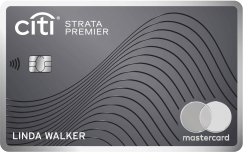
Citi Strata Premier® Card
Intro bonus:
60,000 Points
Earn 60,000 bonus ThankYou® Points after spending $4,000 in the first 3 months of account opening, redeemable for $600 in gift cards or travel rewards at thankyou.com.
Ongoing APR:19.74% - 27.74% (Variable)
Rewards:
1x - 10x (Points per dollar)
Earn 10 Points per $1 spent on Hotels, Car Rentals, and Attractions booked on CitiTravel.com. Earn 3 Points per $1 on Air Travel and Other Hotel Purchases, at Restaurants, Supermarkets, Gas and EV Charging Stations. Earn 1 Point per $1 spent on all other purchases.
Annual Fee:$95
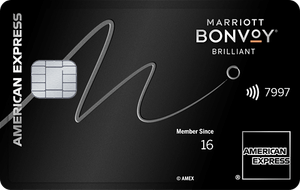
Marriott Bonvoy Brilliant® American Express® Card
Intro bonus:
100,000 Bonus Points
Earn 100,000 Marriott Bonvoy® bonus points after you use your new Card to make $6,000 in purchases within the first 6 months of Card Membership.
Ongoing APR:19.74%-28.74% Variable
Rewards:
2x - 6x (Points per dollar)
Earn 6X Marriott Bonvoy® points for each dollar of eligible purchases at hotels participating in Marriott Bonvoy. Earn 3X points at restaurants worldwide and on flights booked directly with airlines. Earn 2X points on all other eligible purchases.
Annual Fee:$650
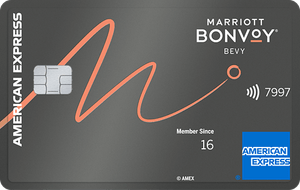
Marriott Bonvoy Bevy® American Express® Card
Intro bonus:
85,000 Bonus Points
Earn 85,000 Marriott Bonvoy® bonus points after you use your new Card to make $5,000 in purchases within the first 6 months of Card Membership.
Ongoing APR:19.74%-28.74% Variable
Rewards:
2x - 6x (Points per dollar)
Earn 6X Marriott Bonvoy® points for each dollar of eligible purchases at hotels participating in Marriott Bonvoy®. Earn 4X points at restaurants worldwide and U.S. Supermarkets (on up to $15,000 in combined purchases at restaurants and U.S. supermarkets per calendar year, then 2X points). Earn 2X points on all other eligible purchases.
Annual Fee:$250

Avant® Cashback Rewards Mastercard®
Ongoing APR:29.99%*
Rewards:
1% (cash back)
Cash back will be awarded as points redeemable for a statement credit
Annual Fee:$0*
See all our best rewards credit cards for 2026.
When You Might Want to Wait to Apply for a New Credit Card
In the below scenarios, it's likely a more wise financial decision to wait to apply for a new credit card.
You've Recently Applied for Credit
When you apply for credit, a lender generally will request a copy of your credit report to view your credit history. This is called a hard inquiry, and too many hard inquiries in a brief time is a red flag for lenders, who may interpret them as a sign that you're not a responsible manager of credit.
Some card issuers even have their own rules about how long you must wait before applying for a new credit card. You may be limited, for example, to opening a maximum of three credit card accounts within a one-year period or five accounts within a two-year period. It's best to wait six months between credit card applications to avoid damage to your credit from too many hard inquiries and to stay within issuers' limits.
You're Planning to Apply for a Loan or Mortgage
Avoid applying for new credit if you'll also be seeking other forms of credit, especially a home loan, in the near future. Experts recommend you avoid seeking new lines of credit for six months to one year before applying for a mortgage—and during the application process, as well.
While one hard inquiry's effect on your credit is minimal and temporary, a slight point drop could prevent you from making it into a lender's most competitive interest rate tier if you're already on the edge. A new line of credit will also lower the average age of your accounts, and lenders like to see long credit histories. A decrease in your credit score could mean an increase in your mortgage interest rate, which means paying more throughout the loan term.
You're Struggling to Afford Your Current Credit Card Bills
It's also wise to wait to apply for a new card if you can't comfortably pay off the cards you have, if other bills or debt payments are causing financial stress, or if you feel you'll be tempted to overspend with a larger credit line. Wait until you're confident your income and spending habits can support having access to more credit.
Learn more: Average Credit Card Debt by Age
What Happens When You Apply for a Credit Card?
When you apply for a credit card, you'll typically submit an online application. The issuer will compare the data you've provided, including your income, employment status, monthly housing payment and credit history, with its requirements. You'll receive a response from the issuer within one week, or potentially immediately if you meet the qualifications.
As a result of your credit application, a hard inquiry will appear on your credit report. New credit inquiries account for 10% of your FICO® ScoreΘ and stay on your credit report for up to two years. They have an impact on your FICO® Score, however, for just 12 months.
If you have a limited credit file, you'll likely see a bigger impact. Overall, one hard inquiry usually results in a credit score drop of less than five points.
If your application is denied, lenders must tell you why and provide information on how to view your free credit report. It's possible the lender determined you have too much debt compared to your current credit limit, that you don't have a long enough credit history or that you have too many missed or late payments.
Learn more: What Is an Adverse Action Letter?
Frequently Asked Questions
The Bottom Line
A new credit card could help you earn more benefits, like higher cash back rates, trip cancellation insurance or extended warranties on items you've purchased. It could also mean a lower APR, which will save you money if you carry a balance month to month. But make sure you're ready for the responsibility of another card.
If you're not sure you'll qualify, or you applied and got rejected, check your credit report and FICO® Score for free from Experian. Then you can take action on any factors keeping you from accessing a potentially worthwhile new card.
Don’t apply blindly
Apply for credit cards confidently with personalized offers based on your credit profile. Get started with your FICO® Score for free.
See your offers
About the author

Brianna McGurran
Brianna McGurran is a freelance journalist and writing teacher based in Brooklyn, New York. Most recently, she was a staff writer and spokesperson at the personal finance website NerdWallet, where she wrote "Ask Brianna," a financial advice column syndicated by the Associated Press.
Read more from Brianna