 By LaToya Irby
 Edited by Michelle TipswordBy LaToya IrbyEdited by Michelle Tipsword

Most major credit card issuers offer a card lock feature that lets you temporarily block new transactions if your card is misplaced. Locking your credit card can help prevent unauthorized transactions while allowing recurring payments and other previously authorized transactions to process normally. Here's what happens when you lock your credit card.
Card lock is a security feature that prevents most new transactions from being approved on your credit card. You can usually lock or unlock your card instantly through your card issuer's website or mobile app or by calling customer service.
After your card is locked, most new purchases, cash advances and balance transfers will be declined.
Some transactions may still be approved even while your card is locked. Depending on your card issuer, these can include:
Tip: Don't expect a card lock to cancel subscriptions or stop merchants you've already authorized from charging your account. To stop recurring payments, you'll need to cancel them with the merchant.
Depending on the card issuer, locking the primary credit card may also prevent authorized users from making purchases. Some card issuers allow you to separately lock authorized-user cards. Check with your card issuer to confirm how card locking affects authorized users.
In addition to a credit card lock, you have the right to utilize a credit freeze. A credit card lock and a credit freeze both protect you from fraud, but they serve different purposes. A card lock helps prevent use of an existing credit card, while a credit freeze helps prevent identity theft by limiting access to your credit report.
| Credit Card Lock | Credit Freeze | |
|---|---|---|
| Protects | An individual credit card | Your credit reports and identity |
| Limits | Most new purchases, cash advances and balance transfers | New credit applications that require a credit check |
| Placed with | Your credit card issuer | Each credit bureau separately |
| Best for | A misplaced card or suspected fraud | Identity theft or a data breach |
| Reversal | Instant | Instant if requested online or via phone; can take a few days if requested by mail |
Learn more: How to Freeze Your Credit At All Three Bureaus
Compare cards from our partners with intro bonuses, cash back or points offers, and annual fees as low as $0.
Offers from our partners
Wells Fargo Reflect® Card
Intro APR:0% intro APR for 21 months from account opening on purchases and qualifying balance transfers
Ongoing APR:17.74%, 24.24%, or 28.49% Variable APR
Annual Fee:$0
Wells Fargo Active Cash® Card
Intro APR:0% intro APR for 12 months from account opening on purchases and qualifying balance transfers
Ongoing APR:18.74%, 24.74%, or 28.74% Variable APR
Annual Fee:$0
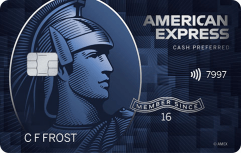
Blue Cash Preferred® Card from American Express
Intro APR:0% on Purchases and Balance Transfers for 12 months
Ongoing APR:19.74%-28.74% Variable
Annual Fee:$0 intro annual fee for the first year, then $95.
Credit One Bank® Platinum Rewards Visa® Card
Ongoing APR:29.74% Variable
Annual Fee:$39

Credit One Bank® Platinum X5 Visa Signature® Metal Card
Ongoing APR:29.74% Variable
Annual Fee:$95

Avant® Cashback Rewards Mastercard®
Ongoing APR:35.99%*
Annual Fee:$75*
Bank of America® Customized Cash Rewards credit card
Intro APR:0% Intro APR for 15 billing cycles for purchases, and for any balance transfers made in the first 60 days
Ongoing APR:17.74% - 27.74% Variable
Annual Fee:$0
Bank of America® Unlimited Cash Rewards credit card
Intro APR:0% Intro APR for 15 billing cycles for purchases, and for any balance transfers made in the first 60 days
Ongoing APR:17.74% - 27.74% Variable
Annual Fee:$0
See all our best credit cards for 2026.
There are several situations where locking your credit card can benefit you.
Card lock is available from many major credit card issuers, including:
The exact process for locking a credit card can differ between credit card issuers, but the general steps are the same.
You can also lock or unlock your credit card by calling the customer service phone number on the back of your card or your credit card statements.
No, locking your card doesn't hurt your credit. A card's lock status isn't reported to the credit bureaus and isn't factored into your credit score. Locking your credit card could indirectly help protect your credit score by preventing unauthorized charges that might temporarily raise your credit utilization.
Locking your credit card is a quick, free way to prevent unauthorized transactions if you need time to locate a misplaced credit card, suspect fraud or you aren't using the card regularly. Important transactions, like subscriptions, will still go through while most other online and in-person transactions are declined.
For broader identity theft protection, monitor your credit reports regularly with Experian and consider placing a credit freeze if your personal information has been compromised.
Apply for credit cards confidently with personalized offers based on your credit profile. Get started with your FICO® Score for free.
See your offers
LaToya Irby
LaToya Irby is a personal finance writer who works with consumer media outlets to help people navigate their money and credit. She’s been published and quoted extensively in USA Today, U.S. News and World Report, myFICO, Investopedia, The Balance and more.
Read more from LaToya