When to Cancel a Credit Card With an Annual Fee
Quick Answer
- Credit card annual fees typically range from about $95 to $895, depending on the card.
- Whether you should cancel a card with an annual fee depends on the card’s benefits, how often you use it and the potential impact on your credit.

As you review your credit cards, you may consider closing accounts that come with added costs. Paying an annual fee can make sense if you're getting enough value from the card. However, if the benefits no longer fit your spending habits or lifestyle, you may question whether keeping the card is worthwhile—and whether you should swap it out for a credit card with no annual fee.
The right choice depends on several factors, including the card's benefits, how often you use it and the potential impact on your credit. Here's how to decide whether to keep or cancel a card with an annual fee.
What Is a Credit Card Annual Fee?
A credit card annual fee is a yearly charge some card issuers require you to pay to keep the account open. Depending on the card, the fee may be charged immediately after you open the account or after the first year if the issuer offers a waiver. Then, the annual fee is typically added to your balance each year on your card anniversary.
Credit cards with annual fees often offer premium rewards, extensive perks and valuable benefits. Cards that commonly charge annual fees include:
- Travel credit cards
- Cash back cards
- Premium or luxury credit cards
- Business credit cards
- Some secured credit cards
Annual fees can vary significantly. You can expect to pay a $95 annual fee for mid-tier credit cards and $250 to $895 for premium travel and luxury credit cards. In exchange for paying an annual fee, you can expect more valuable benefits, including:
- Higher rewards rates
- Larger welcome bonuses
- Travel credits
- Airport lounge access
- Hotel or airline perks
- Dining and entertainment benefits
Tip: You can find a credit card's annual fee in the pricing and terms disclosure before applying.
Best rewards cards of 2026
Compare cards from our partners that earn points, cash back or miles on everyday spending.
Offers from our partners
Intro bonus:
As High As $200 Cash Back. Find Out Your Offer.
You may be eligible for as high as $200 cash back after spending $2,000 in purchases on your new Card in the first 6 months. Welcome offers vary and you may not be eligible for an offer. Cash back is received as Reward Dollars, redeemable for statement credit or at Amazon.com checkout. Terms Apply.
Intro APR:0% on Purchases and Balance Transfers for 15 months
Ongoing APR:19.74%-28.74% Variable
Rewards:
1% - 3% (cash back)
Earn 3% cash back at U.S. supermarkets, 3% cash back on U.S. online retail purchases, 3% cash back at U.S. gas stations, on eligible purchases for each category on up to $6,000 per year in purchases (then 1%). Cash back is received in the form of Reward Dollars that can be redeemed as a statement credit and at Amazon.com checkout.
Annual Fee:$0
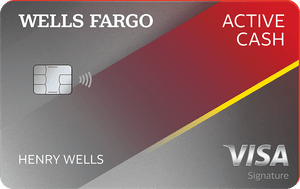
Wells Fargo Active Cash® Card
Intro bonus:
$100
Earn a $100 cash rewards bonus after spending $500 in purchases in the first 3 months.
Intro APR:0% intro APR for 12 months from account opening on purchases and qualifying balance transfers
Ongoing APR:18.74%, 24.74%, or 28.74% Variable APR
Rewards:
2% (Cash Rewards)
Earn unlimited 2% cash rewards on purchases.
Annual Fee:$0
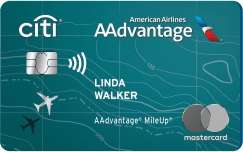
American Airlines AAdvantage® MileUp® Card
Intro APR:0% for 15 months on Balance Transfers
Ongoing APR:19.74% - 29.74% (Variable)
Rewards:
2x (Miles per dollar)
Earn 2 AAdvantage® miles for each $1 spent at grocery stores, including grocery delivery services. Earn 2 AAdvantage® miles for every $1 spent on eligible American Airlines purchases. Save 25% on inflight food and beverage purchases when you use your card on American Airlines flights
Annual Fee:$0
Credit One Bank® Secured Card
Ongoing APR:29.74% Variable
Rewards:
1% (cash back)
Earn 1% cash back rewards on eligible gas, grocery purchases and mobile phone, internet, cable and satellite TV services. Terms apply.
Annual Fee:$0
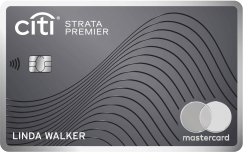
Citi Strata Premier® Card
Intro bonus:
60,000 Points
Earn 60,000 bonus ThankYou® Points after spending $4,000 in the first 3 months of account opening, redeemable for $600 in gift cards or travel rewards at thankyou.com.
Ongoing APR:19.74% - 27.74% (Variable)
Rewards:
1x - 10x (Points per dollar)
Earn 10 Points per $1 spent on Hotels, Car Rentals, and Attractions booked on CitiTravel.com. Earn 3 Points per $1 on Air Travel and Other Hotel Purchases, at Restaurants, Supermarkets, Gas and EV Charging Stations. Earn 1 Point per $1 spent on all other purchases.
Annual Fee:$95
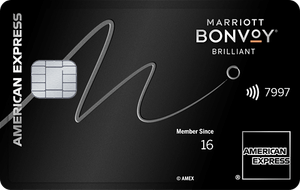
Marriott Bonvoy Brilliant® American Express® Card
Intro bonus:
100,000 Bonus Points
Earn 100,000 Marriott Bonvoy® bonus points after you use your new Card to make $6,000 in purchases within the first 6 months of Card Membership.
Ongoing APR:19.74%-28.74% Variable
Rewards:
2x - 6x (Points per dollar)
Earn 6X Marriott Bonvoy® points for each dollar of eligible purchases at hotels participating in Marriott Bonvoy. Earn 3X points at restaurants worldwide and on flights booked directly with airlines. Earn 2X points on all other eligible purchases.
Annual Fee:$650
Marriott Bonvoy Bevy® American Express® Card
Intro bonus:
85,000 Bonus Points
Earn 85,000 Marriott Bonvoy® bonus points after you use your new Card to make $5,000 in purchases within the first 6 months of Card Membership.
Ongoing APR:19.74%-28.74% Variable
Rewards:
2x - 6x (Points per dollar)
Earn 6X Marriott Bonvoy® points for each dollar of eligible purchases at hotels participating in Marriott Bonvoy®. Earn 4X points at restaurants worldwide and U.S. Supermarkets (on up to $15,000 in combined purchases at restaurants and U.S. supermarkets per calendar year, then 2X points). Earn 2X points on all other eligible purchases.
Annual Fee:$250
Ongoing APR:29.99%*
Rewards:
1% (cash back)
Cash back will be awarded as points redeemable for a statement credit
Annual Fee:$0*
See all our best rewards credit cards for 2026.
When Does Keeping the Card Make Sense?
Keeping a credit card with an annual fee may be worthwhile if the rewards and benefits outweigh the cost.
- You earn more in rewards than the fee costs. Review how much value you earned from the card over the past year. If the value of your rewards exceeds the annual fee and you expect your spending habits to remain similar, the fee may pay for itself.
- You regularly use the card's perks. Premium benefits can offset the costs of an annual fee if you use them often. Features like airport lounge access, certificates for free hotel rooms, primary rental car coverage, free checked bags and statement credits help you save money.
- You're still using an intro 0% APR offer. If you opened the credit card for a promotional 0% annual percentage rate (APR) offer, keeping the account open while you pay off the balance may make sense.
- You want to apply for other rewards cards. Closing a rewards card too soon after earning a welcome bonus can impact your eligibility for future welcome offers for other cards from the same issuer. Some issuers limit how often you can receive bonuses or may frown upon repeated account openings and closings.
Learn more: What Is Credit Card Churning?
When Should You Consider Canceling Your Card?
In some situations, the annual fee may no longer justify keeping the card open.
- You aren't earning enough rewards. High rewards may not matter if you rarely use the card or don't spend heavily in the bonus categories. In that case, the annual fee could outweigh the value you receive.
- You want to reduce expenses. An annual fee is an added expense that you can easily cut if you're simplifying your budget or cutting unnecessary expenses.
- You rarely use the card's benefits. Some cardholder benefits become less valuable over time. For example, you may travel less frequently than before or find some benefits now have limitations that make them hard to use.
- You prefer another card. If another credit card matches your spending habits and you rarely use the one with the annual fee, keeping both may no longer make sense.
Learn more: How to Cancel a Credit Card
How Canceling a Credit Card Impacts Your Credit Score
Closing a credit card can affect your credit score in several ways, especially if the card has a high limit or long credit history.
- Higher credit utilization: When you close a credit card, your available revolving credit decreases, your credit utilization ratio may increase, which could hurt your credit scores. If you have other credit cards, you may be able to offset the impact by paying down their balances or using them for fewer purchases.
- Change in credit mix: Having a mix of open revolving accounts and installment loans can help your credit score. If you close your only credit card, it may hurt your credit mix and your credit, albeit typically a small amount.
- Reduce average age of accounts over time: Closed credit cards in good standing typically remain on your credit report for up to 10 years. Once the account eventually falls off your report, your average age of accounts may decrease, which could negatively impact your scores.
Closing a credit card may have less impact if you have several open cards with low balances or if the account is relatively new. On the other hand, keeping the card may make sense if it's one of your oldest accounts, has a high credit limit or you plan to apply for a loan soon and don't want to risk a dip in your credit score.
Alternatives to Canceling Your Credit Card
Canceling the card isn't your only option to avoid the annual fee. Depending on the card issuer, you may be able to reduce or avoid the fee while keeping the account open.
- Ask for a retention offer. Contact the card issuer and explain that you're unsure whether the annual fee is still worth it. Some card issuers offer retention offers to keep existing customers, especially long-standing cardholders with regular spending. You could be offered a fee reduction, statement credit, bonus rewards or another temporary promotional offer.
- Downgrade to a no-annual-fee credit card. Many premium rewards credit cards also have a no-annual-fee version within the same family. You may be able to downgrade your account to avoid the annual fee while keeping your existing account number and credit history.
- Switch to another credit card. Instead of downgrading, consider switching to another credit card that better fits your spending habits. For example, you might move from a travel card to a cash back card.
Tip: Before downgrading or closing a card, consider redeeming or transferring any rewards you've earned to avoid forfeiting them.
Frequently Asked Questions
The Bottom Line
Canceling a credit card can make sense if the card no longer provides enough value. But, before closing the account, consider how it could affect your credit scores, rewards and eligibility for future welcome offers. In some cases, asking for a retention offer or switching to a lower-cost card may help you avoid the fee without giving up the account entirely.
Don’t apply blindly
Apply for credit cards confidently with personalized offers based on your credit profile. Get started with your FICO® Score for free.
See your offersAbout the author
LaToya Irby is a personal finance writer who works with consumer media outlets to help people navigate their money and credit. She’s been published and quoted extensively in USA Today, U.S. News and World Report, myFICO, Investopedia, The Balance and more.
Read more from LaToya