By Ben Luthi
 Edited by Michelle TipswordBy Ben LuthiEdited by Michelle Tipsword


How you manage your credit card accounts can affect several factors that determine your credit scores, including your payment history, credit utilization rate, average age of accounts and credit mix.
The good news is that most of what moves your score comes down to habits in your control. Understanding how each piece works can help you use credit cards to strengthen your credit rather than weaken it.
A credit card is one of the most accessible tools for building credit, and when you use one responsibly, it can support multiple factors that go into your credit score.
Payment history is the most important factor in your FICO® ScoreΘ, the score used by 90% of top lenders, and a credit card offers a chance to establish a payment history without incurring interest charges.
More specifically, if you pay your credit card balance in full by the due date each month, you'll keep your interest-free grace period. Paying only the minimum amount due still counts as on time, but you'll carry the rest of your balance and owe interest on it.
Either way, setting up automatic payments or reminders makes it easier to pay on time every month. Even if you've fallen behind on payments in the past, getting caught up and staying consistent can help you build your credit over time.
Compare cards from our partners with intro bonuses, cash back or points offers, and annual fees as low as $0.
Offers from our partners
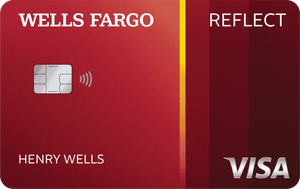
Wells Fargo Reflect® Card
Intro APR:0% intro APR for 21 months from account opening on purchases and qualifying balance transfers
Ongoing APR:17.74%, 24.24%, or 28.49% Variable APR
Annual Fee:$0
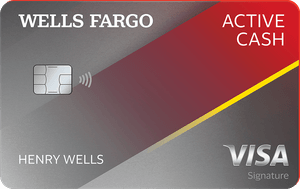
Wells Fargo Active Cash® Card
Intro APR:0% intro APR for 12 months from account opening on purchases and qualifying balance transfers
Ongoing APR:18.74%, 24.74%, or 28.74% Variable APR
Annual Fee:$0
Blue Cash Preferred® Card from American Express
Intro APR:0% on Purchases and Balance Transfers for 12 months
Ongoing APR:19.74%-28.74% Variable
Annual Fee:$0 intro annual fee for the first year, then $95.
Credit One Bank® Platinum Rewards Visa® Card
Ongoing APR:29.74% Variable
Annual Fee:$39

Credit One Bank® Platinum X5 Visa Signature® Metal Card
Ongoing APR:29.74% Variable
Annual Fee:$95

Avant® Cashback Rewards Mastercard®
Ongoing APR:35.99%*
Annual Fee:$75*
Bank of America® Customized Cash Rewards credit card
Intro APR:0% Intro APR for 15 billing cycles for purchases, and for any balance transfers made in the first 60 days
Ongoing APR:17.74% - 27.74% Variable
Annual Fee:$0
Bank of America® Unlimited Cash Rewards credit card
Intro APR:0% Intro APR for 15 billing cycles for purchases, and for any balance transfers made in the first 60 days
Ongoing APR:17.74% - 27.74% Variable
Annual Fee:$0
See all our best credit cards for 2026.
Another way credit cards affect your credit is through your credit utilization ratio, which is the percentage of available credit you're using at a given time. Scoring models look at utilization on each card and across all your cards combined, so keeping every balance in check helps.
People with excellent credit tend to have utilization rates in the single digits. That said, not using your card because you want to maintain a 0% utilization rate may not help your credit scores at all. Instead, using it for small purchases you pay off each month helps you maintain low utilization while showing your ability to make payments responsibly each month.
Paying your balance in full each month is the simplest way to keep utilization low in the long run. But because your statement balance is what gets reported every month—and that comes at least a few weeks before your due date—it's smart to avoid racking up a balance, even if you intend to pay it off in full.
Myth buster: While making your minimum monthly payment on time can help build your credit, there is no additional benefit to carrying a balance from one month to the next. If possible, try to prioritize paying your balance in full to maintain a positive payment history and minimize interest charges.
Opening a card or earning a higher limit on one you already have raises your total available credit. As long as your spending stays about the same, that extra room lowers your overall utilization rate and can help your credit scores.
Credit scoring models reward borrowers who can handle more than one type of credit. Your credit mix reflects the accounts you manage, such as revolving accounts like credit cards alongside installment loans like a mortgage, student or car loan.
If you only have loans, adding a credit card to your credit file can help improve your overall mix. That said, credit mix doesn't have a significant impact on your FICO® Score. It generally makes the biggest impact for people looking to take an already good score to the next level.
In other words, avoid applying for credit just for the sake of diversifying your credit profile.
If you have a thin credit file with few active credit accounts, adding a credit card gives scoring models more to work with. Also, as the account ages, it'll continue to add depth.
Credit cards are especially helpful for establishing a long credit history because they can remain open indefinitely, while loans typically have a set repayment term before they're closed.
The same credit card you can use to build your credit score can also take it the opposite way if you're not careful. Here are some potential ways a credit card can negatively affect your score.
When you apply for a card, the issuer checks your credit, which adds a hard inquiry to your credit report. A single hard inquiry may lower your score by a few points, and the effect will typically fade as you use credit responsibly. Hard inquiries stop impacting your FICO® Score entirely after 12 months, though they remain on your credit reports for two years.
However, if you apply for multiple credit cards in a short period of time, it could have a compounding negative effect on your credit scores. Unlike certain installment loans, credit cards don't qualify for rate-shopping exceptions, so each inquiry counts against you.
As a result, it's best to space out your applications by three to six months to minimize potential damage.
Because payment history carries the most weight, a missed payment is one of the fastest ways to damage your credit. A late payment that goes 30 days or more past its due date can be reported to the credit bureaus, and it'll stay on your credit reports for seven years.
A single missed payment can cause a steep drop in your score, even when the rest of your history is spotless. What's more, the damage grows the further behind you fall, so a 60-day or 90-day delinquency hurts more than a 30-day one.
If you're late on a payment but haven't reached the 30-day mark, you can still pay it and avoid the hit to your credit, though you may be on the hook for a late fee.
Learn more: How Long Do Late Payments Stay on a Credit Report?
When your credit card balance grows relative to your credit limits, it could have a negative impact on your credit score. And because models weigh both per-card and overall utilization, one high balance can drag on your score even when your other card balances sit near zero.
While some credit experts recommend keeping your utilization rate below 30%, there's no hard-and-fast rule. As previously mentioned, people with excellent credit tend to keep theirs below 10%.
The good news is that scoring models have a short-term memory when it comes to utilization. If you have an 80% utilization rate one month and then a 15% rate the next, your credit score may increase quickly in response.
When missed payments pile up, the consequences grow more serious. After several months of nonpayment, usually around 180 days, an issuer typically charges off the account and may sell the debt to a collection agency.
A charge-off and any resulting collection account can seriously damage your credit scores because they indicate that you didn't pay as you originally agreed, even after multiple reminders. Each derogatory mark stays on your report for about seven years from the original missed payment.
Turning a credit card into a credit-building tool comes down to a few consistent habits. Follow these, and even a single card can help you strengthen your credit score:
How much a credit card helps or hurts your credit comes down to how you use it. As long as you space out credit card applications, keep your balances low and pay on time, you can typically expect a positive impact.
However, if you rack up a high balance or miss even a single payment, your card could do more harm than good.
Understanding the potential score impacts of these activities can help you make smart credit card decisions. Free credit monitoring from Experian alerts you to changes to your FICO® Score and can help you track the consequences of credit choices you make.
Apply for credit cards confidently with personalized offers based on your credit profile. Get started with your FICO® Score for free.
See your offers
Ben Luthi
Ben Luthi has worked in financial planning, banking and auto finance, and writes about all aspects of money. His work has appeared in Time, Success, USA Today, Credit Karma, NerdWallet, Wirecutter and more.
Read more from Ben