By Bev O'Shea
 Reviewed by Michelle TipswordBy Bev O'SheaReviewed by Michelle Tipsword


Ideally, a credit card is a convenience. It allows you to avoid carrying cash and can buy you some time before you need to pay off your purchases.
A credit card can also help you manage your money, cover emergency expenses, build credit and earn rewards. But it could tempt you to buy on impulse, live above your means and land you in a cycle of fees and escalating penalty interest rates. Let's go over some of the best—and worst—ways to use a credit card.
Used responsibly, a credit card can help you manage your finances and improve your credit.
There are a few ways you can use a credit card to build your credit:
If your refrigerator stops working and you need a new one on short notice, or you're faced with another financial emergency, a credit card can save the day. It pays to know the interest rates of your credit cards and how it will affect your costs. If you are going to need to carry a balance, you'll want to use the card with the lowest interest rate.
If you have a good or excellent credit score, you may qualify for a credit card with a 0% intro APR on purchases or balance transfers. Using the card to pay off other debt can potentially save you money on interest. Take a look at the math to be sure you are saving money, and make a plan to pay off the balance before the intro period ends and your interest rate goes up. It's also smart to know if this could affect your credit score. (A credit score simulator can help you make an educated guess.)
If you pay off your credit card bill in full every month, you can maximize the value of your rewards. (You will also earn rewards if you carry a balance, but the interest you pay can outweigh your rewards.) If you play your cards right, you might be traveling for free or buying holiday gifts with points or cash back.
Compare cards from our partners that earn points, cash back or miles on everyday spending.
Offers from our partners
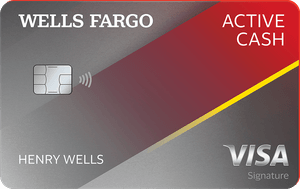
Wells Fargo Active Cash® Card
Intro APR:0% intro APR for 12 months from account opening on purchases and qualifying balance transfers
Ongoing APR:18.74%, 24.74%, or 28.74% Variable APR
Annual Fee:$0
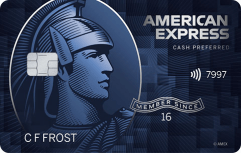
Blue Cash Preferred® Card from American Express
Intro APR:0% on Purchases and Balance Transfers for 12 months
Ongoing APR:19.74%-28.74% Variable
Annual Fee:$0 intro annual fee for the first year, then $95.
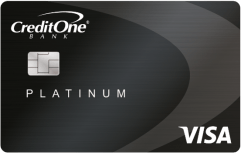
Credit One Bank® Platinum Rewards Visa® Card
Ongoing APR:29.74% Variable
Annual Fee:$39
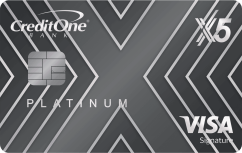
Credit One Bank® Platinum X5 Visa Signature® Metal Card
Ongoing APR:29.74% Variable
Annual Fee:$95
Avant® Cashback Rewards Mastercard®
Ongoing APR:35.99%*
Annual Fee:$125 first year; then $125.04/year ($10.42/mo)
Avant® Cashback Rewards Mastercard®
Ongoing APR:35.99%*
Annual Fee:$75*
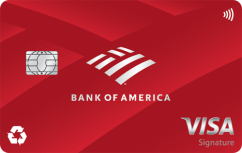
Bank of America® Customized Cash Rewards credit card
Intro APR:0% Intro APR for 15 billing cycles for purchases, and for any balance transfers made in the first 60 days
Ongoing APR:17.74% - 27.74% Variable
Annual Fee:$0
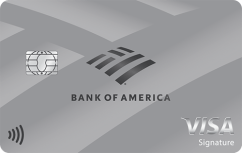
Bank of America® Unlimited Cash Rewards credit card
Intro APR:0% Intro APR for 15 billing cycles for purchases, and for any balance transfers made in the first 60 days
Ongoing APR:17.74% - 27.74% Variable
Annual Fee:$0
See all our best rewards credit cards for 2026.
Plenty of unused credit means that you have a safety net if everything goes wrong at once—your car breaks down on your way to the airport, for example. The ability to put unexpected expenses on a card while you figure out how you are going to pay everything—whether transferring money from an emergency fund, temporarily putting less in savings or taking advantage of a 0% intro APR card—can give you some breathing room.
If you used a credit card to buy an item that was never delivered or you received shoddy merchandise or service, you have recourse. You can request a chargeback, and the transaction will be investigated—and you will not have to pay the disputed amount while the investigation is underway.
Check the fine print of your credit cards, and know what benefits may come with it. Some offer rental car insurance, price protection, fee-free foreign transactions, TSA PreCheck and even concierge services.
A credit card can help you figure out where your money is going—or where it went. Budgeting with a credit card isn't for everyone, and it will require regularly checking your spending online with an app. But if you are up to the challenge, it can help you maximize rewards and minimize interest. Another advantage of some cards: end-of-year expense tracking, by category.
The worst way to use a credit card is on impulse purchases or to charge more than you can comfortably afford to pay back.
If you drive at speeds just below the speed limit, all is well. But if you charge up your credit card to just below the limit, that can be a problem. Those with the highest credit scores tend to use just a small portion of their credit limits.
It's not so terrible to splurge occasionally, but the size of the splurge matters, particularly if you are putting it on a credit card. An impulse purchase of a cruise at sea or a new couch is quite different from a small indulgence.
If you use credit cards to pay because you really cannot afford to pay your regular expenses otherwise, that's a problem. A certified credit counselor can help you figure out what the problem is and how to address it. The solution may involve trimming expenses, increasing earnings and learning how to budget.
Using a credit card can help your credit standing if you:
Scoring factors that are also affected, but not as much, are:
A credit card can damage your credit score if you pay more than 30 days late or carry high balances, but you can minimize the chances that will happen by:
Credit cards are like most tools: In the right hands, they can make your life easier and more convenient—but they also have the potential to be misused. They can help you build credit, offer consumer protections you wouldn't otherwise have and more.
If you want to use credit cards for a specific goal, whether it's to get on the credit radar or to find a card with stellar rewards, Experian's card comparison platform can help you find the card that best meets your needs.
Apply for credit cards confidently with personalized offers based on your credit profile. Get started with your FICO® Score for free.
See your offers
Bev O'Shea
Bev O'Shea is a Georgia-based freelance journalist specializing in personal finance and consumer credit. Most recently, she was a staff writer at personal finance website NerdWallet, where she was an authority on credit reports, credit scores and identity theft.
Read more from Bev