Get In-Demand Finance Certifications
Learning how to become a financial analyst starts with understanding the role itself. A financial analyst reviews financial data to assess the health of businesses to guide investors and companies in making informed decisions. It’s a popular career path because it combines strong analytical work with clear growth opportunities across industries.
Still, getting started can feel confusing, especially as you’re trying to understand what financial analysts actually do, which paths might fit you best, and how to gain the right qualifications.
This guide gives you a clear, step-by-step roadmap, from skills and education to landing your first role and advancing over time.

The financial analyst career path is structured, but it’s also flexible. Many analysts start with the same core foundation and then specialize based on where they work. Common career paths include capital markets (investments, research, and portfolio management) and corporate finance (financial analysis in FP&A).
There’s more than one type of financial analyst, but most careers follow a similar progression:
Education and core skill-building → Entry-level experience → Certification or focused upskilling → Advancement into leadership.
Certifications and strong financial modeling skills can help you move faster because they make it easier to prove job-ready capability and take on higher-impact work.
Financial analyst career progression follows a predictable pattern, but titles can vary by sector. Corporate finance roles tend to follow a Finance/FP&A ladder, while capital markets firms often use banking- or investing-style titles.
| Entry-level | Financial Analyst / Junior Analyst | Analyst / Research Associate |
| Mid-level | Senior Financial Analyst | Associate / Senior Associate |
| Manager / Lead | Finance Manager / FP&A Manager | Vice President (or equivalent lead role) / Director (varies) / Portfolio Manager (buy-side) |
| Senior Leadership | Director of Finance / VP Finance / CFO | Managing Director (sell-side) / Partner or Head of Investments (buy-side) / Senior Portfolio Manager / CIO (varies) |
What changes as you progress:
Understanding how a financial analyst role differs from other high-intensity finance jobs—such as in the financial analyst vs investment banker comparison—can help clarify long-term goals.
Across both corporate and capital markets paths, progression tends to accelerate when you develop strong financial modeling skills and can translate analysis into clear recommendations for non-finance stakeholders, clients, or investment decision makers.
A degree can make it easier to land your first interview, but it’s not the only way to become a financial analyst. Employers mainly want proof that you understand core finance concepts and can work confidently with numbers, spreadsheets, and business data.
Common degree paths include finance, accounting, economics, business, and math or statistics. A finance-focused major can help, but it’s not mandatory. Career switchers can break in by building the same capabilities through structured courses, certifications, and project experience.
No matter how you learn, your education should translate into real analyst outcomes. You should be able to interpret the three financial statements, explain performance drivers, and build basic models that support planning and decision making.
Financial analysts get hired and promoted based on how well they work with numbers and explain what those numbers mean. Credentials can help, but strong skills matter more early in your career. Focus on these three areas:
Tool skills matter because they help you produce work that teams can actually use. For most entry-level financial analyst roles, you’ll stand out fastest by building strength in this order:
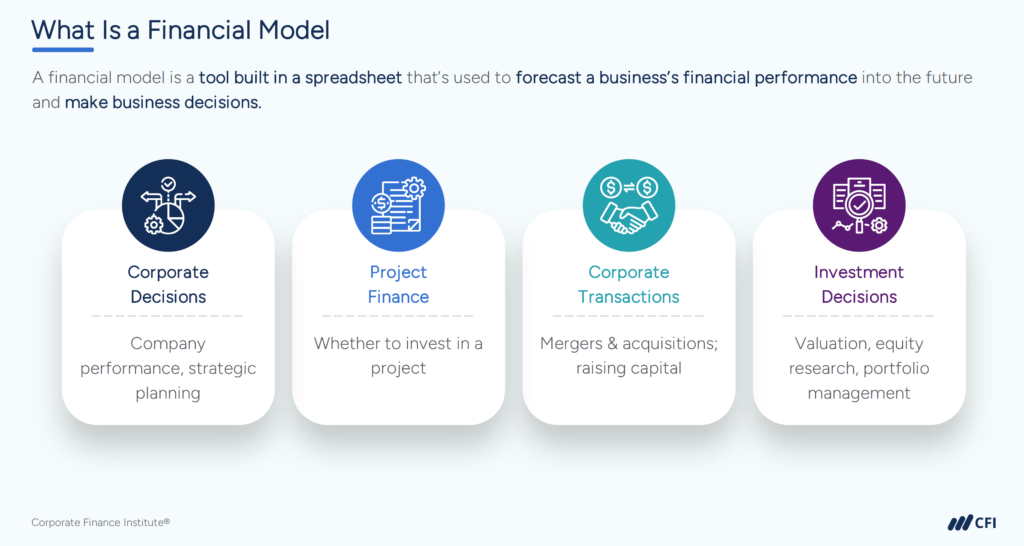
If you’re self-motivated, you can self-teach many of these tools through free tutorials and practice datasets. If you want a faster path with less guesswork, structured learning can help you build the right skills in the right order and produce portfolio-ready work along the way.
Becoming a financial analyst with no experience is possible, but you’ll need to build the skills and credibility employers look for before they hire you. Focus on learning core finance concepts, creating proof that you can do entry-level analysis, and putting yourself in front of the right people through networking and internships.
Start with people you already know, then ask for introductions to analysts or managers at companies you’re interested in. You can also connect with financial analysts on LinkedIn, but make the message specific. Ask one clear question (for example, what they look for in entry-level candidates), then follow up later with a project link or a short summary of what you’re learning.
You do not need to memorize jargon, but you should be comfortable with the basics: revenue, expenses, profit, cash flow, and how the three financial statements connect. Following business and market news also helps you build context for networking conversations and interviews. A few free newsletters can help you stay current while you learn.
Internships are one of the fastest ways to turn “no experience” into relevant experience. If you’re a student, use your university career center and career fairs to find opportunities with investment banks, corporate finance teams, and accounting or advisory firms.
Where to find internships (quick list):
Writing is a simple way to demonstrate interest and communication skills. Use a blog or LinkedIn to share short posts on what you’re learning, a company breakdown, a basic analysis, or your take on a finance story in the news. This content also gives you something concrete to share during networking conversations.
Structured training can accelerate your progress when you don’t have internships or prior finance roles. Look for programs that teach practical skills you’ll use on the job, especially Excel-based modeling, financial statement analysis, and valuation.
Certifications can help you build skills faster, validate your progress, and show employers that you are committed to this career path. Most entry-level financial analyst roles do not require a credential, but certifications can be a smart move once you have the basics and want a clearer signal on your resume.
When people ask how to become a “certified financial analyst,” they are often referring to the CFA Program. This program is one of the best-known routes, but it is not the only option. The best certification depends on the type of analyst work you want to do (investment research vs. corporate finance/FP&A vs. credit analysis vs. valuation).
The CFA charter is a widely recognized credential for careers tied to investment analysis and portfolio management. It is a long-term commitment, with three exam levels and significant study time.
The FMVA® is CFI’s flagship certification, known for its practical, Excel-based approach to financial modeling and valuation. This program emphasizes hands-on skills for valuing companies, modeling for large corporate transactions, and preparing investment presentations. If you want to quickly build your technical finance capabilities, the FMVA could be ideal.
If you’re researching how to become a certified financial analyst, the best certification depends on the type of analyst role you want, since “financial analyst” can mean different things across corporate finance, banking, and markets.
Treat these credentials as accelerators, not prerequisites. Whichever track you choose, pair the certification with practical proof of skill, such as models, case studies, and small projects that employers can review quickly.
As of 2024, the median annual wages for financial and investment analysts ranged from $93,030 to $124,050, according to the Bureau of Labor Statistics (BLS). However, compensation varies significantly depending on prior work experience, geographic location, and other factors, such as industry and area of expertise (investment banking, technology, financial services, etc.).
As you plan your entry into finance, it’s useful to explore financial analyst salary insights to align your expectations with industry norms.
Demand for analysts shows up across many types of organizations, including banks, insurance firms, pension funds, and corporate finance teams. The BLS projects employment for financial analysts to grow 6% from 2024 to 2034 and estimates about 29,900 openings per year on average.
A career as a financial analyst tends to fit well if you enjoy:
Your day-to-day work also depends on which track you pursue. Investment banking moves fast and runs on tight deadlines and rapid iterations. Corporate finance tends to have a more predictable rhythm, with work tied to planning cycles and performance tracking. In corporate roles, you’ll also partner closely with teams like sales, marketing, operations, and product.
If you want a structured path to build job-ready skills, CFI’s programs are designed around practical finance work. You can focus on skills that show up in analyst roles, then build toward a certification like the FMVA when you’re ready.
CFI supports your growth with:
You can also start with a free account and preview learning content before investing in a full membership.
It usually takes a few months to a few years to become a financial analyst, depending on your starting point. A traditional degree path often takes longer because you’re building fundamentals while gaining experience through internships or campus projects. A career switcher can move faster with an accelerated, skill-first plan and consistent practice.
Yes, you can become a financial analyst without a finance degree if you build the right skills and can prove them through projects, tests, or work samples. Degrees in accounting, economics, math, statistics, engineering, or business often transfer well because they build strong analytical foundations.
No, the CFA is not required to be a financial analyst, but it can be a strong advantage for investment-focused roles like equity research, asset management, and portfolio analysis. For many corporate finance and FP&A analyst jobs, employers care more about your ability to analyze financial data, build models, and communicate insights clearly.
It can be challenging to get a financial analyst job with no experience because entry-level roles are competitive, and employers want proof that you can analyze data, build basic models, and communicate insights. The key is to replace “experience” with credible signals that show you can do the work.
The main difference between a financial analyst and an accountant is focus: accountants are typically backward-looking (recording transactions and producing financial statements), while financial analysts are typically forward-looking (using financial and operational data to forecast results and support decisions). Both roles use financial statements, but they use them for different outputs.
In day-to-day work:
Considering a Career Switch to Finance? 5 Tips to Help You Decide
Capital Markets Research Analyst Profile